The Swedish Model: between governance and pedagogy
from 9 to December 10, 2025Erasmus+ mobility in Linköping and Motala
Financing: PNRR_2024-1-IT02-KA121-SCH-000220764
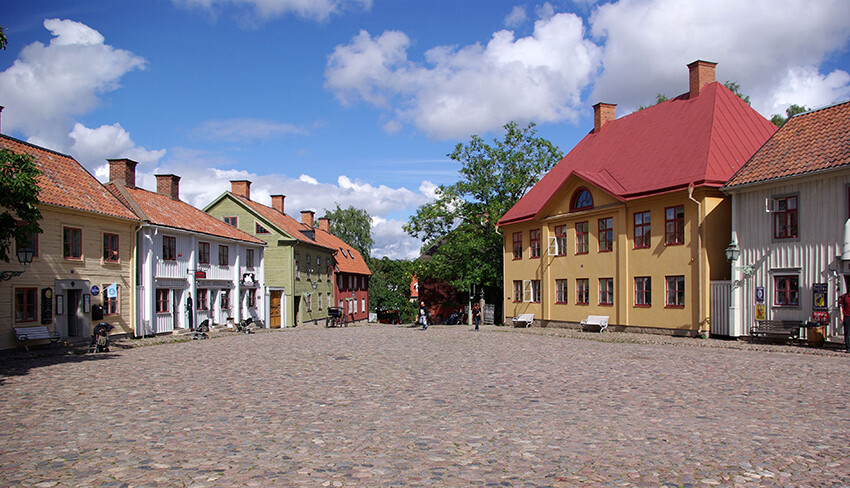
Study mobility in Sweden has allowed a team of education professionals from the City of Bologna to deepen the Swedish school system, focusing on strategic management and innovative pedagogical practices in the municipalities of Linköping and Motala. The experience offered a complete overview, from national legislation to the daily management of services for 1-6 years, highlighting how Swedish national legislation translates into direct municipal responsibilities that encompass the entire educational period, from preschool to high school, up to adult training.
The journey began with an in-depth analysis of local governance at the Linköping Town Hall. The central themes of the discussion concerned:
- Quality development: an in-depth analysis of the continuous improvement processes that involve the various organizational levels, supporting management in the implementation of effective educational policies.
- Language enhancement: in response to demographic changes, the municipality has set the teaching of Swedish as a priority objective. This challenge involves not only children, but also support and assistance staff who are often not native speakers, ensuring educational consistency and professional quality.
The subsequent visit to a kindergarten with international users showed how these objectives translate into inclusive practices and efficient meal management, an integral part of the training offer.
At Motala, the focus has shifted to technical tools for monitoring quality and on the organization of services.
- Result and impact indicators: The group has analyzed self-evaluation and heteroevaluation methods, focusing on how coordination between the various municipal functions makes it possible to plan staff improvement and training actions with a recursive and targeted schedule.
- Organization of spaces and routines: at the Sagomossen kindergarten, the observation concerned the optimization of environments according to teaching activities and daily routines, such as rest and personal care.
- Food management: the complex meal management system, from kitchen technical equipment to distribution logistics, has been analyzed, designed to promote children's autonomy and professional efficiency.
Particular emphasis has been given to the “24/24 School” model, a service capable of welcoming children from 1 to 13 years old on a continuous basis. This model offered ideas on shift management, on maintaining adult-child numerical relationships and on inclusion strategies in extended community welfare settings.
The Swedish experience has provided benchmarking tools to reflect on the integration between administrative and pedagogical functions.
This international mobility has reinforced the awareness of the importance of structured quality monitoring systems, offering reference models for the innovation of Bolognese educational services from an increasingly European perspective.